Private family navigation · Mallorca & London

You Don’t Search.
I Do.

One trusted person who finds the right professional and stays with you until it holds.

  • Private & discreet
  • Human-led, no algorithms
  • Vetted specialist network

In a life-threatening emergencycall 112 (EU), 911 (US), or 999 (UK). Samaritans (UK): 116 123.

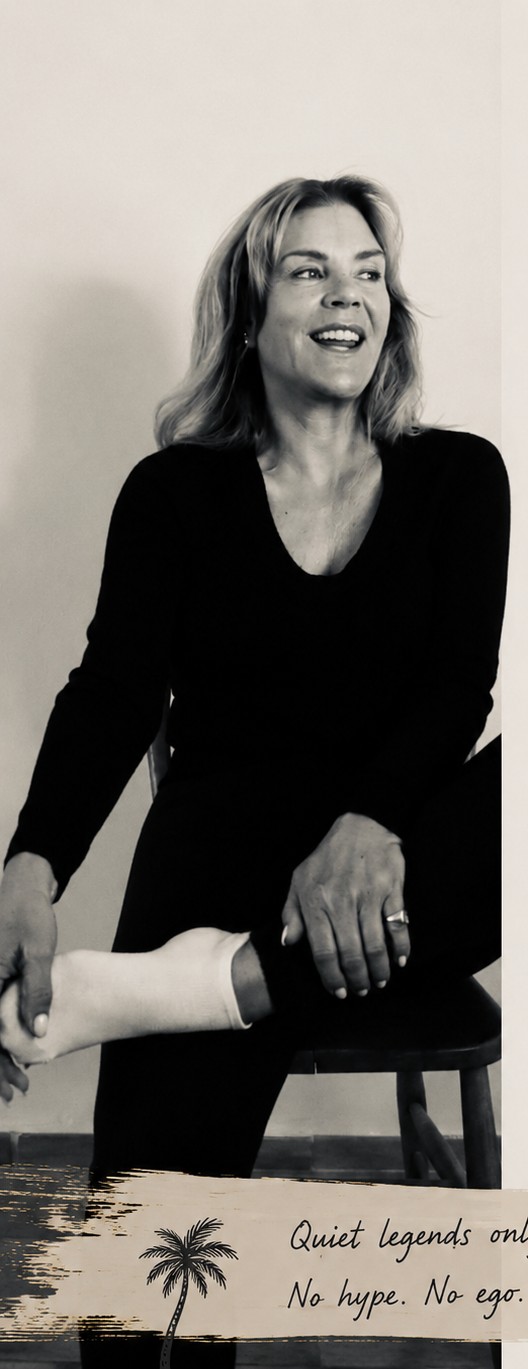
Jacqueline Roberts, founder of The Advance 45:2, portrait in natural window light

Jacqueline Roberts · Founder

The Navigator

“I have sat in the chairs you are sitting in now. The search for a way out should not be your second job.”

I have lived through devastating loss, addiction, sudden death, eating disorders, PTSD, cancer, divorce, and the press attention that follows some of them. I know what it is to be the client, not the professional.

The Advance 45:2 exists because a family in crisis should not have to become an expert in the healthcare system to survive it.

Read the founder’s story

When we step in.

01 / Primary scopes of navigation

[01]

Addiction & Behavioral Health

Beyond the detox cycle: sourcing residential programs, sober companions, and adolescent stabilization when local options have been exhausted.

[02]

Mental Health in Crisis

Acute mental health crisis, eating disorders, PTSD, complex trauma. Clinicians vetted by outcome, not by marketing.

[03]

Grief, Loss & Rupture

Sudden death, high-conflict divorce, and the mental-health fallout that lives inside families for years after.

The clear version: who, how, and what changes.

02 / A plain map of the work

Who

The people who arrive here.

Private families, principals, parents of adolescents in crisis, and individuals rebuilding after collapse. Usually after the standard pathway has stalled.

See who I work with
How

The method, in practice.

One conversation. A forensic look at where previous help broke down. A single, specific match — clinician, programme, or specialist — chosen for fit, not availability. Then presence, until the plan holds on its own.

See the process
Results

What families leave with.

A coordinated plan, a single point of contact, and the right people in the right seats. Fewer handoffs. Less second-guessing. A household that can function while the person in crisis is properly held.

Begin a conversation

Entry point. Architect. Not a case manager.

03 / How this role is different

Entry Point

The first clear mind in the room.

Families arrive here when the structure has not held them — bounced between professionals, given the wrong diagnosis, or left to coordinate the next steps alone. I take the first call, name what is actually happening, and decide what matters first.

Architect

The response is designed, not assigned.

I do not hand out a list of names. I choose the right specialists, brief them before they meet the family, sequence the interventions, and stay through the transitions — discharge, relapse, reintegration — until the plan holds on its own. I am not a therapist or a case worker. I am the architect who puts the whole response together.

“You do not hire me to manage the crisis. You hire me because your family should not have to manage it alone.”

How it works, in practice.

04 / From first contact to a held plan

  1. [01]

    Confidential first contact

    You reach out via WhatsApp, email, or the introductory Calendly link. We agree how to talk and what to call it. No portal, no intake queue.

  2. [02]

    A short diagnostic

    I ask the questions that matter most, identify what is urgent, and map what sits underneath it. The question at the centre: what would getting it right actually look like?

  3. [03]

    The right people, briefed

    I pull from a private network of specialists and brief them before they ever meet you. Not a list. Not a directory. The specific fit for your situation.

  4. [04]

    One point of contact, until it is stable

    You do not manage the network. I do. You get a single update line, a clear plan, and calm restored. I stay through the transitions until the fit holds on its own.

What clients typically leave with.

05 / Results, not just referrals

  • A single point of contact for a complex situation
  • A vetted network mobilised in hours, not weeks
  • A plan that the family can actually follow
  • Discretion baked into every step
  • Fewer handoffs and less second-guessing
  • The feeling that someone sees the whole picture
Research & Perspectives

The evidence base — and the field notes that sit alongside it.

A working library on the matching problem in complex care, adolescent mental health, addiction as a chronic condition, and the long tail of grief and public exposure.

Read the research →
Engagements

What to expect if we work together.

Engagements are private, usually by referral or introduction, and they begin with a conversation — either an introductory call or a paid diagnostic, depending on the situation. From there, support is project-based or retainer, shaped around what your family actually needs.

I do not take every situation. I take the ones where I am confident I can materially change the outcome. If I am not the right fit, I will say so and, where possible, point you toward someone who is.

Continue readingAll essays →
Confidential Inquiry

When you’re ready, one message is all it takes.

Your message comes directly to me. No intake team, no forms passed between departments, no repeating your story. Say what has failed and what you need. I take it from there.